Wreck Capital of the Atlantic
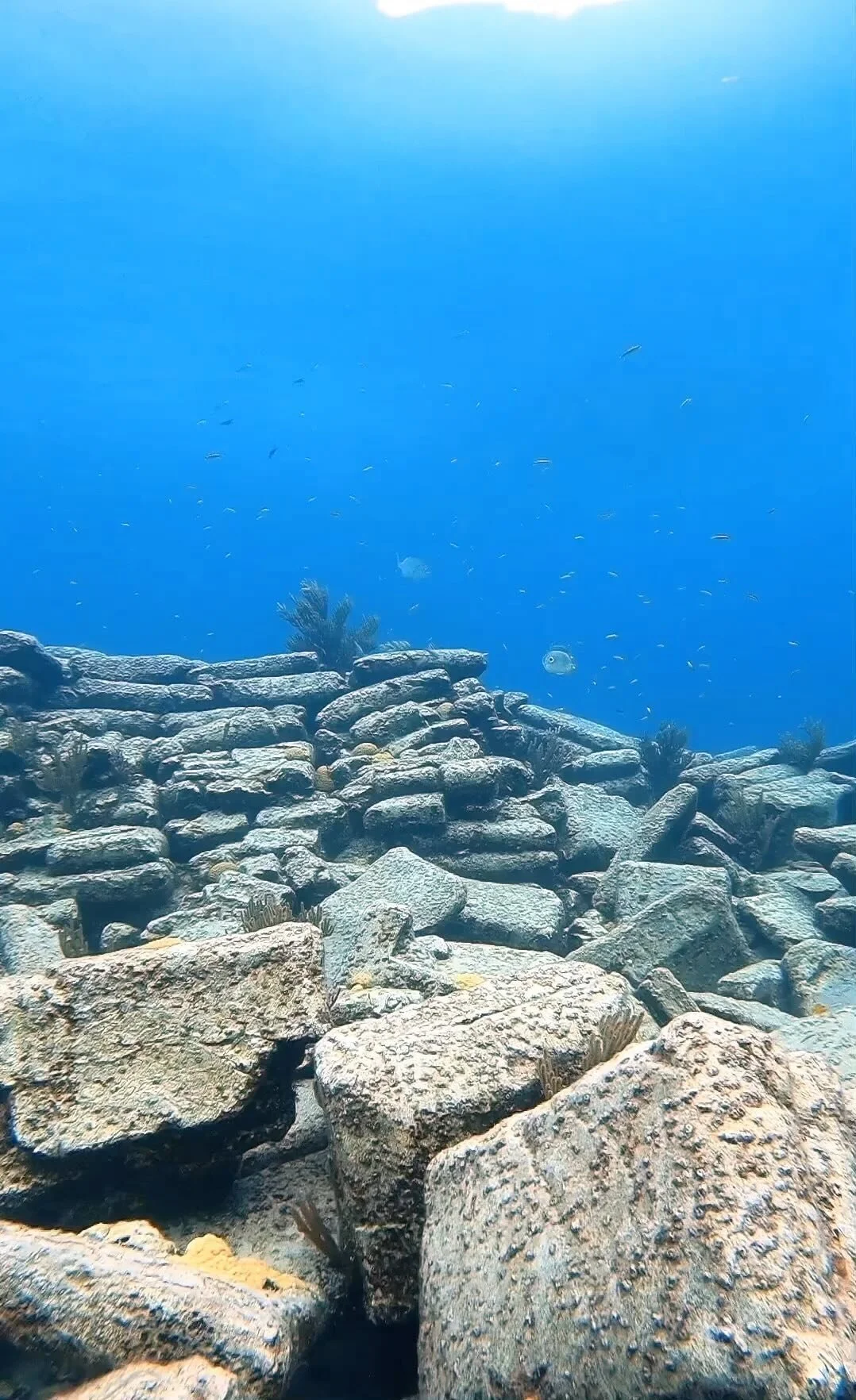
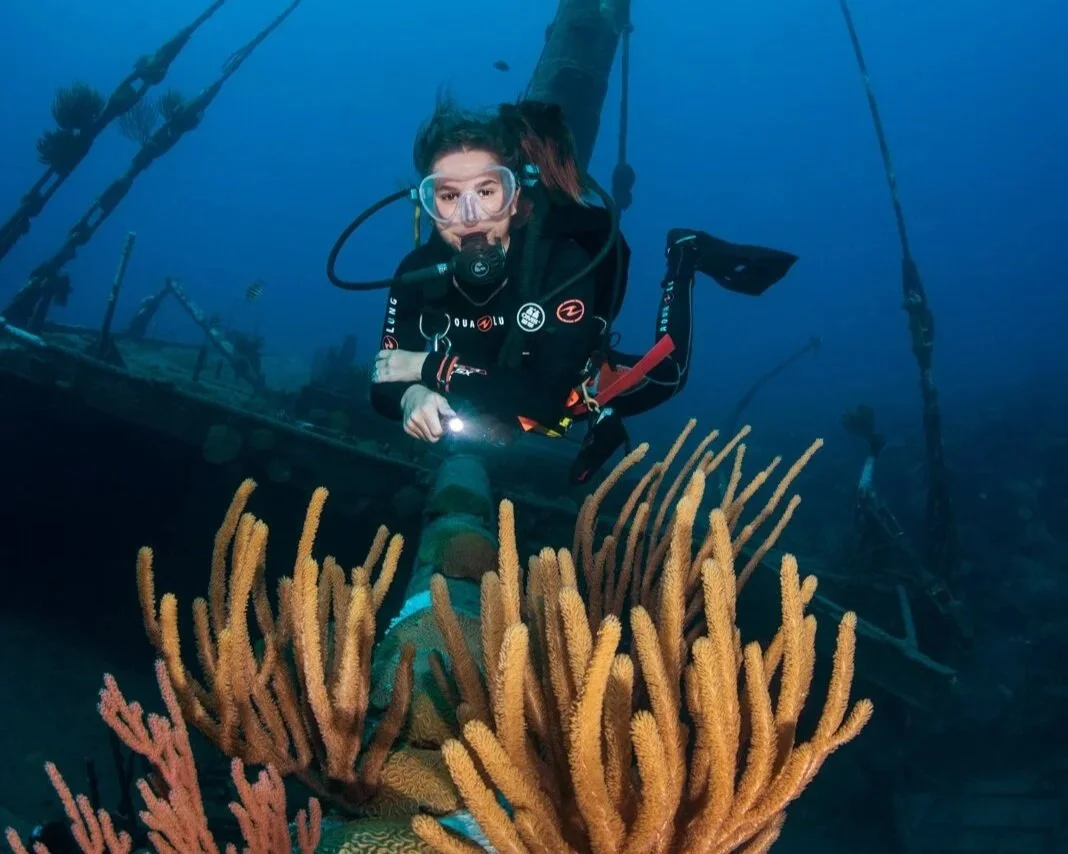
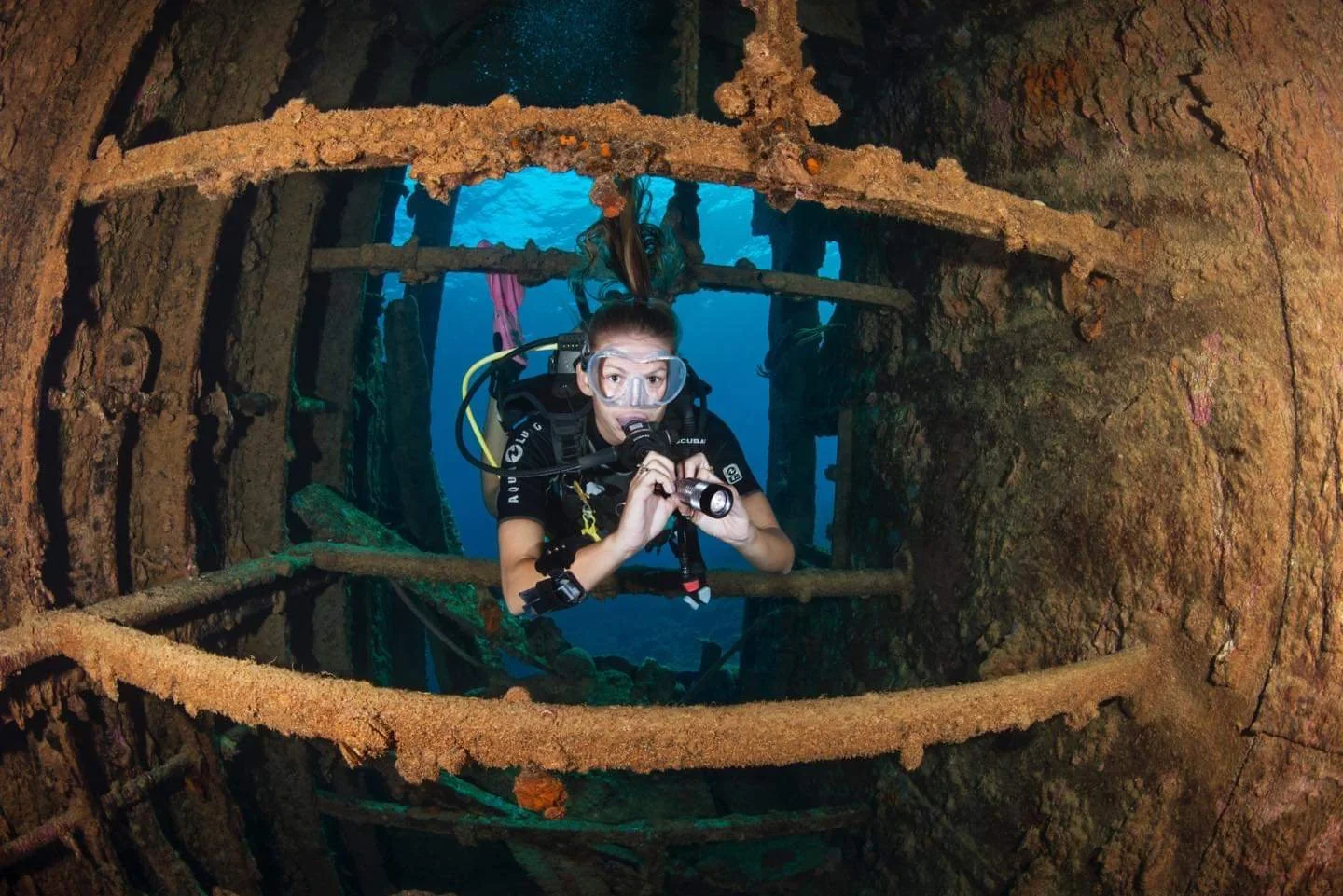
Due to Bermuda’s treacherous reef system many ships have found themselves run aground over the past 400 or so years meaning that there are many different eras of shipwrecks to visit. There is such a selection of wreck sites scattered around the Bermuda coast that normally you will not visit the same wreck twice and the majority of wrecks are suitable for Open Water Divers. We try to accommodate any requests for specific wreck sites, but it is not always possible due to the conditions on the day.
You can view the Sport Diver supplement for more information on a number of our wrecks here.
Wreck sites
Pelinaion
Built in 1907, this 385ft Greek tramp steamer was on her way from West Africa to Baltimore, Maryland. She was carrying a cargo of iron ore when she struck a reef just off St. David's head, on December 22nd 1939. Her captain was apparently unaware that St. David's lighthouse was out due to the war. The Pelinaion now sits in 65ft (20m) of water broken up in and around the reef she struck. Her engine sits within 10ft of the surface and her bow in only 20ft of water. Divers can swim under the hull, see numerous port holes, the ships propeller and anchor as well as the pristine reef surrounding the wreck.
For a great video of the Pelinaion and some Lionfish hunting please follow this link to Youtube: Blue Horizon Diving.
Rita Zovetta
The 399ft Rita Zovetta was built in 1919 originally as a tanker, then converted to carry dry cargo. During her voyage from the Black Sea to Baltimore, Maryland whilst approaching Bermuda on February 24th 1924, following a Bermudian pilot boat during bad weather she ran aground just off St. David's lighthouse. Her crew made it safely ashore, and her cargo of manganese ore was later salvaged. Today the Rita lies just outside of the breakers at 20-70ft (7-21m) close to the Pelinaion.
For some great footage of the Rita Zovetta please follow this link to Blue Horizon’s Youtube channel
Niobe Corinthian
The Niobe Corinthian was a 175-ft vessel originally built by Shell Oil to serve Gulf of Mexico oil rigs. Later sold and converted into a floating casino with a glass-covered bar, it became a well-known attraction before facing controversy in Bermuda.
In 2014, the Bermuda Government took possession of the ship and, after thorough cleaning and inspection by several agencies, decided to sink it as a dive wreck.
On April 4, 2017, around 3:30 p.m., the Niobe Corinthian was scuttled about nine miles north of St. George’s, near North Rock Beacon. It now rests upright on the seabed, 70 ft below the surface.
King George (The Dredger)
Built in 1910 by Lobnitz & Co. in Glasgow, The King George was one of three dredgers commissioned by the Bermuda Government to deepen harbour channels for visiting ships. She arrived in Bermuda on June 28, 1911, and began work dredging Town Cut, St. George’s, to 30 ft. Later refitted to dredge an additional 4 ft, she continued service until replaced by The Lord Cochrane in 1930 as larger vessels demanded deeper access.
Today, the 171-ft dredger rests upright and intact in 60 ft of water. Her ladders, catwalks, engines, and holds remain accessible to divers, and the wreck teems with coral, reef fish, lobsters, octopus, and even the occasional seahorse—making it one of Bermuda’s most captivating dive sites.
Cristobal Colon
The largest ship to ever wreck in Bermuda. This 499ft Spanish luxury liner, built in 1923, ran aground east of North Rock in 1936 while en route from Cardiff, Whales to Vera Cruz, Mexico. She had no passengers on board with her crew of 160 all rescued and taken to shore. The Cristobal Colon sat, stranded on the reef, for many years until in the early 1940's she was used for target practice by the American Army Air Force. She now lays on the bottom, split in half, either side of the reef between 15-60ft (4-18m). Despite now being broken up the Cristobal is still an impressive sight to explore. Divers can still see an unexploded bomb as well as her 8 massive boilers, two spare propellers and deck winches.
The Taunton
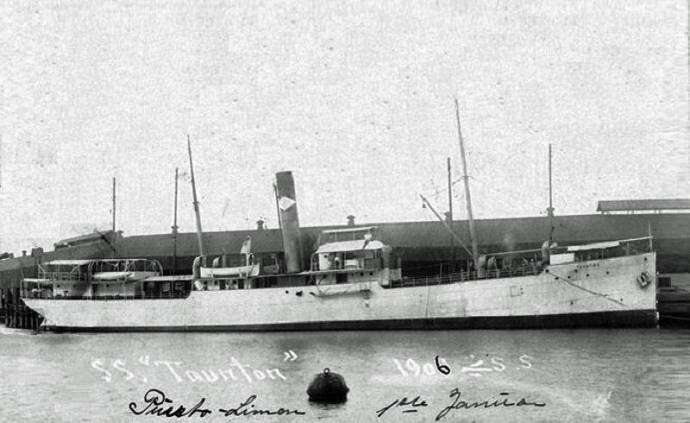
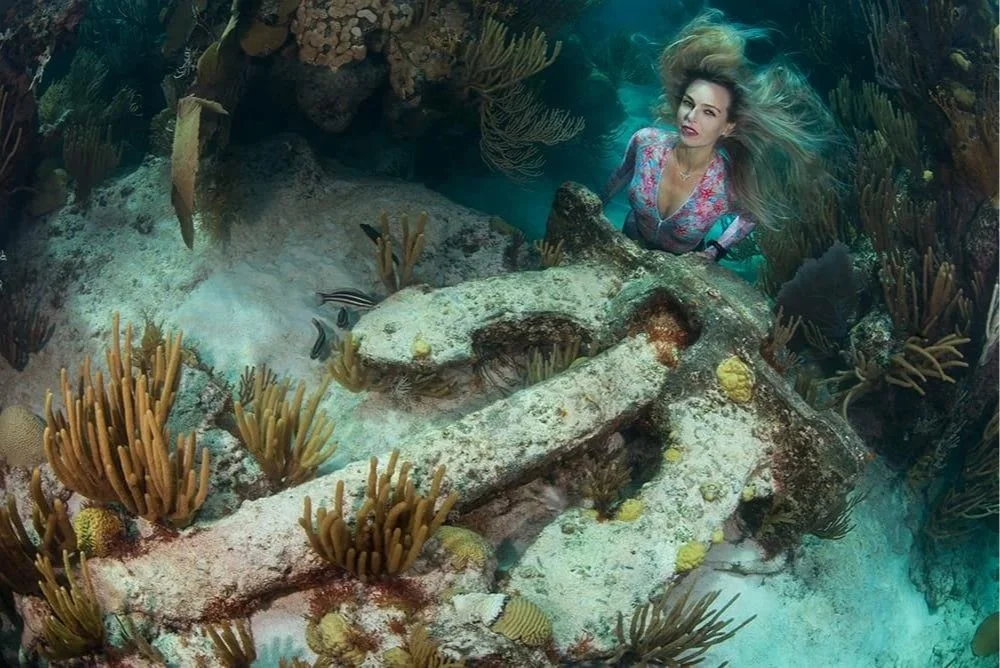
Another one of our favorite wreck sites. The Taunton was a 228ft Danish cargo steamer built in 1902, that wrecked on Bermuda's northeastern reef in November 1920. She was sailing from Norfolk, Virginia to St. George's carrying a cargo of coal destined for the island. She now sits in 20ft (6m) broken up over the reef, however her engine and boilers still stand upright, reaching for the surface. The Taunton is very photogenic and makes a great site for both divers and snorkelers.
Reef sites
The Cathedral
A lovely reef site where the reef starts at 26 feet and goes down to about 55 feet. This is a lovely reef site with overhangs, canyons and swim throughs. There is one beautiful swim through that looks very much as though you are swimming into a vast room hence the name of the site, Cathedral. There is a hole in the side of the space which allows a beam of light to come through. Although you can swim over the reef to get to Cathedral the easiest way is by going through the swim through known as Devil’s Throat.
It is a little break in the wall of the reef to allow divers to pass through. As you exit the Cathedral you will also find the memorial to Ryan Craig. Divers can follow the channels of sand with reef either side to explore the area. The range in depth for the site means it is a great dive for novice and experienced divers alike as well as snokelers. The 45 minute journey time is well worth the visit.
North Rock
Located about 8 miles off shore to the North, North Rock is a navigational beacon sitting atop an old ship boiler that warns sailors of the rim of the reef. Previously the reef was visible above water but as sea levels have risen the reef has disappeared just below the surface. North Rock is, possibly, the most Northern coral reef in Bermuda and covers a 1000 meter radius from the beacon.
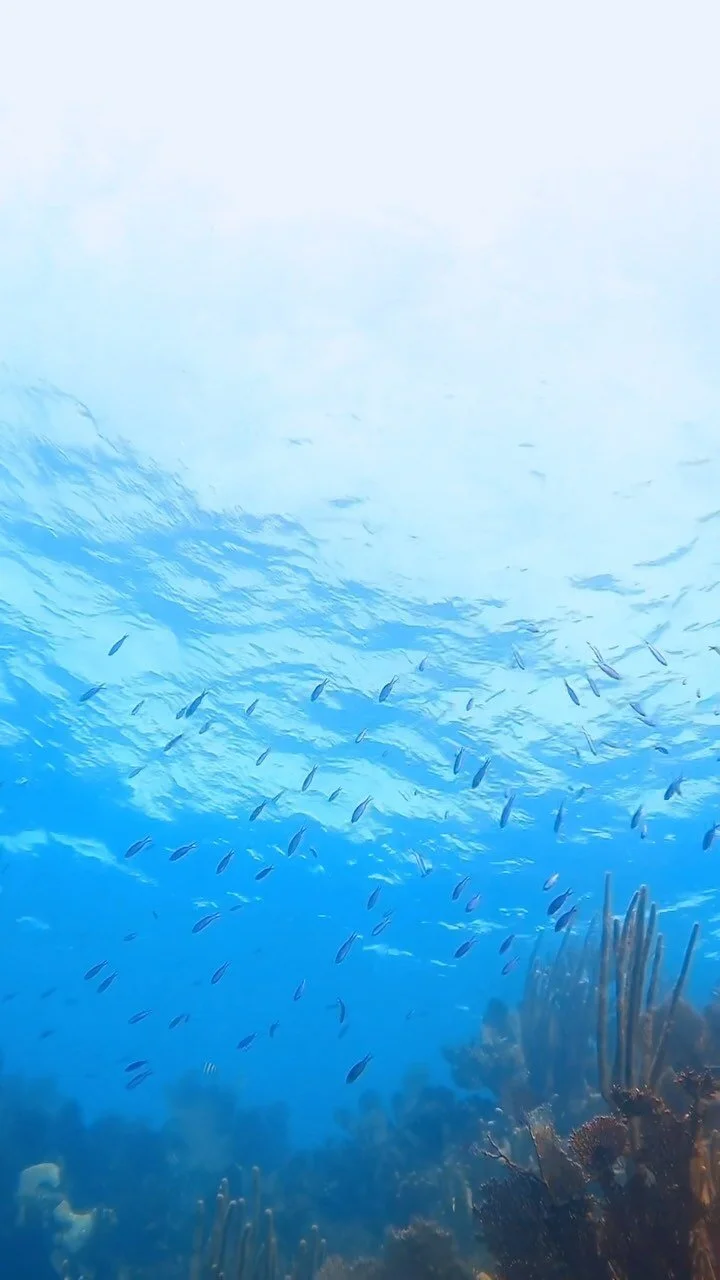
The reef is still in pristine condition and a great place for snorkeling as well as diving with the tops of the reef just a few feet from the surface. The depth here is between 25 and 30 feet.
The reef has 3 different buoys to attach onto so returning to this site you can always be assured of a different dive each time. As you descend onto the sand patches the colors of the reef are instantly visible and some of the sea fans are extensive in size. There are some small overhangs and swim throughs that cater to all levels of diving. The reef is intermittently broken up allowing for a maze like effect where divers can explore all the reef has to offer. The site takes about 50 minutes to reach.
Lionfish Reef
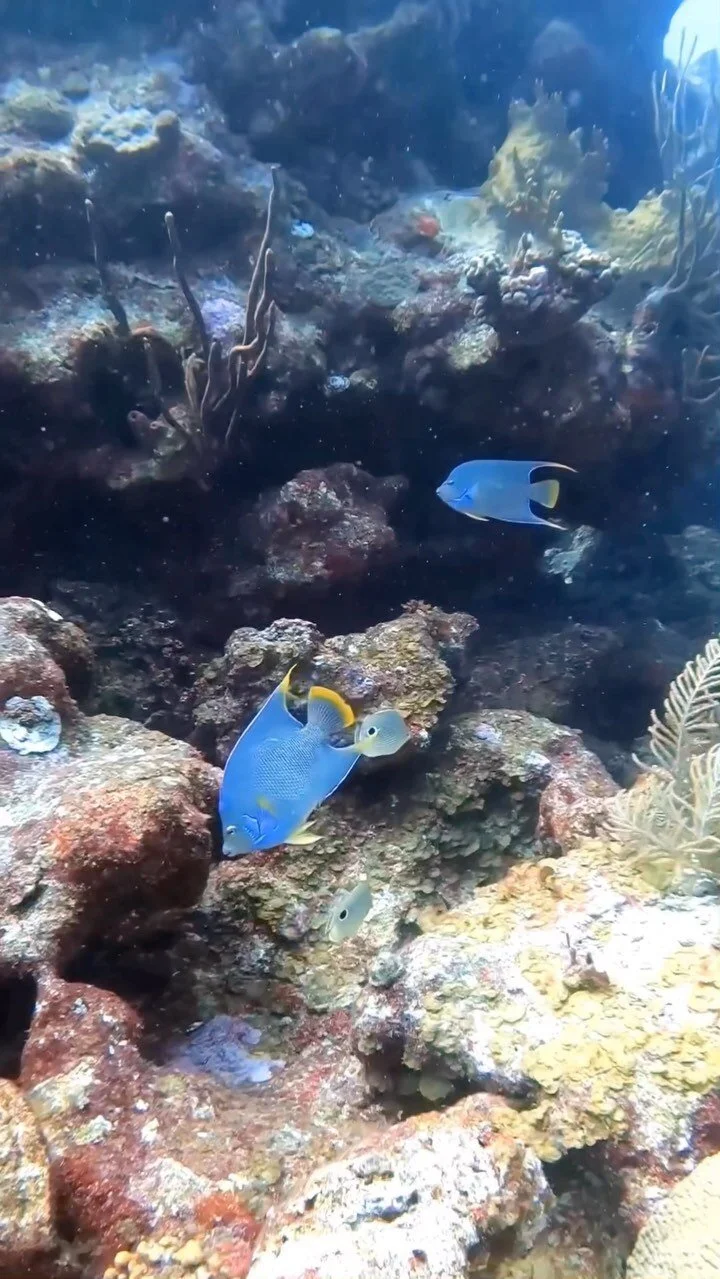
Located close to the breakers off Cooper’s Island, Lionfish Reef has many arches to swim under where lionfish and large snappers have been seen frequently. In the cooler months we can also spot some enormous tarpon. The many little channels lead through and over the reef allowing for a lovely exploratory dive. With numerous swim-throughs it makes for an ideal site for the more seasoned divers and those looking to hunt some lionfish. The swim-throughs are scattered throughout the breaker system of the reef allowing divers to explore the innermost sections of this centuries old, volcanic formation.
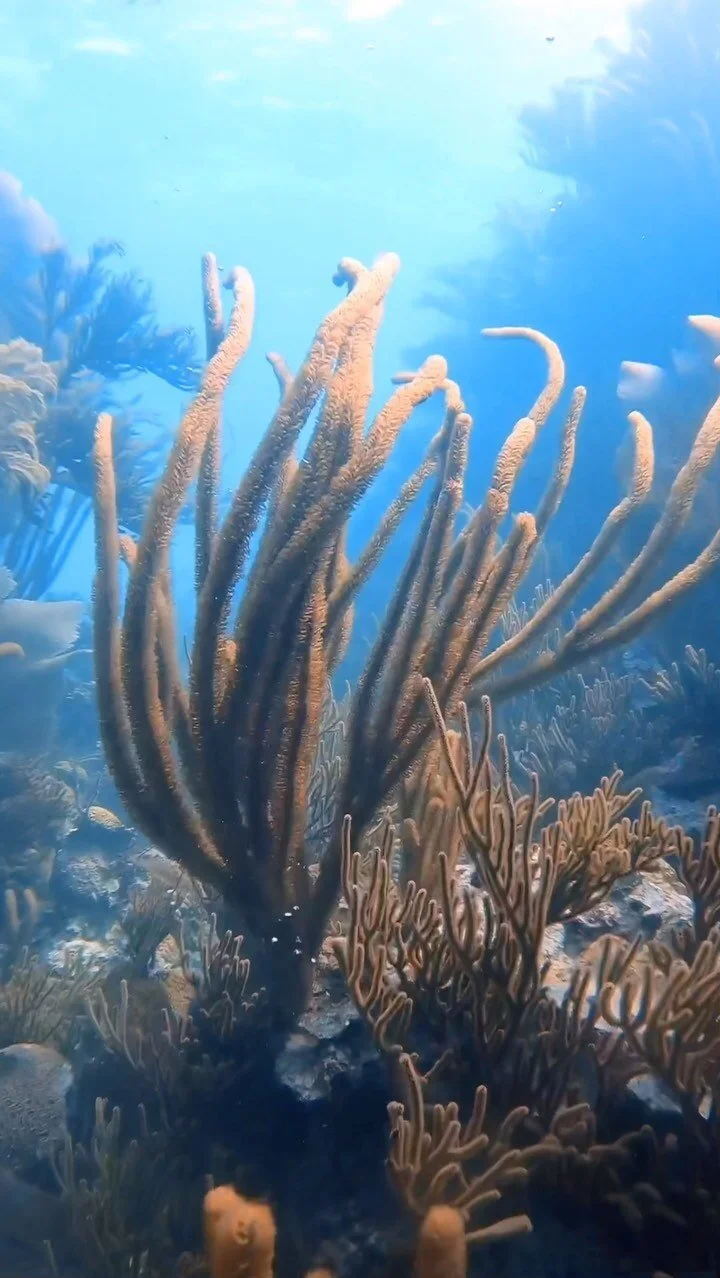
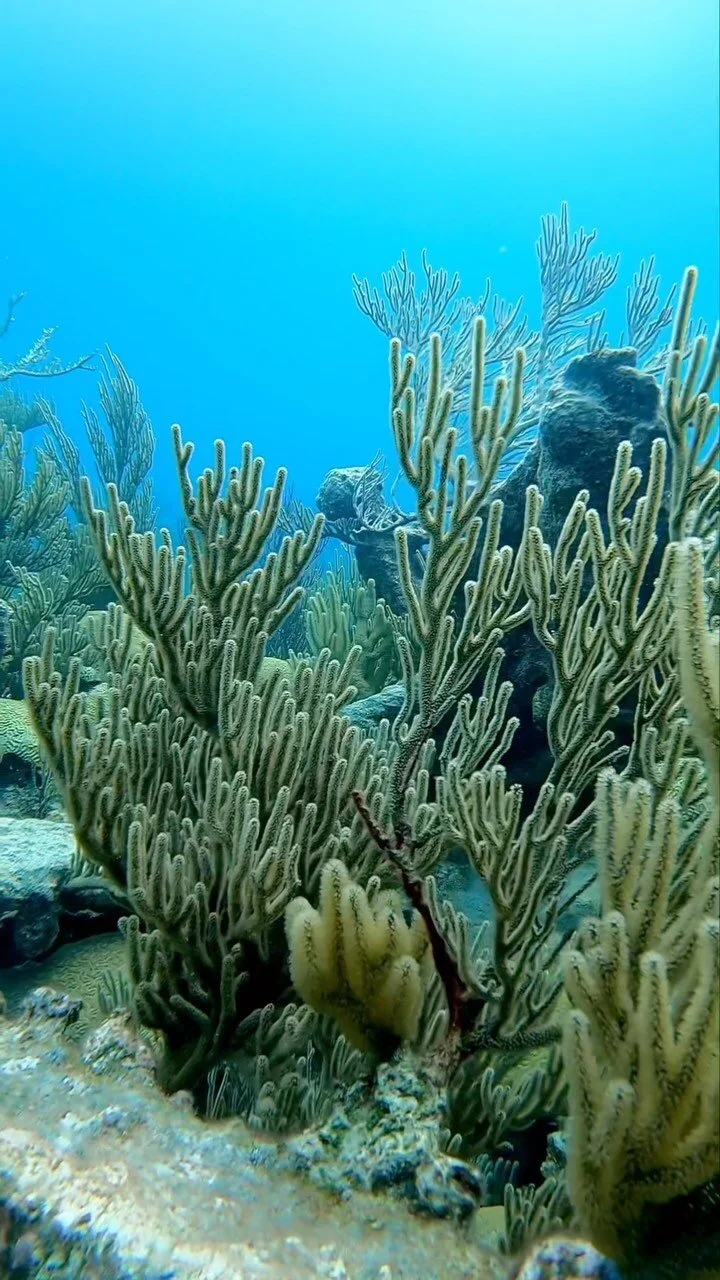
Divers with less experience will also enjoy the soft corals and diving in between the breakers, some places on this site look like something from a underwater garden- absolutely sublime.

Arches
At The Arches, divers are welcomed by stunning natural rock formations that live up to the site’s name — a series of grand, graceful arches sculpted by the sea. Schools of vibrant snappers glide in and out of the shadows, creating a mesmerizing scene beneath the blue.
This popular dive site offers excellent visibility and plenty to explore, with light streaming through the arches to reveal colourful corals and marine life tucked within every curve. Whether you’re an experienced diver or just starting out, The Arches promises a breathtaking underwater experience.